Skincare Routine for Glowing Skin: Step-by-Step Tips for Every Skin Type
Introduction
Achieving healthy, radiant skin doesn’t require dozens of products or complicated rituals. With a consistent, simple routine tailored to your skin type and a few smart lifestyle habits, you can support your skin’s natural glow. Below is a step-by-step guide covering morning and evening routines, weekly treatments, ingredient tips, and adjustments for dry, oily, combination, and sensitive skin.
Daily Morning Routine
- Cleanse: Start with a gentle cleanser to remove overnight sweat and impurities. For oily skin choose a foaming or gel cleanser; for dry skin a cream or milk cleanser is better.
- Tone (optional): A hydrating toner helps balance pH and adds a layer of moisture—particularly useful for dry or combination skin. Sensitive skin types can skip if irritation occurs.
- Serum: Apply an antioxidant serum such as vitamin C in the morning to protect against environmental damage and brighten skin tone.
- Moisturize: Use a lightweight moisturizer for the day; thicker creams are fine for dry skin. Look for ingredients like hyaluronic acid for hydration or niacinamide for barrier support.
- Sunscreen: Broad-spectrum SPF 30 or higher is non-negotiable. Sunscreen prevents sun damage, premature aging, and pigmentation issues.
Evening Routine
- Double Cleanse (if wearing makeup/sunscreen): Start with an oil-based cleanser to dissolve makeup and sunscreen, then follow with your regular cleanser to remove residue.
- Treatment: This is where active ingredients like retinoids, AHAs/BHAs, or prescription products are used. Rotate actives 2–3 times per week if you’re new to them to avoid irritation.
- Hydrating Serum: Use ingredients that attract moisture—hyaluronic acid or glycerin—especially after exfoliation or retinoid use.
- Moisturize: Night creams can be richer to support repair. Look for ceramides and peptides to strengthen the skin barrier.
Weekly Treatments
- Exfoliation: Chemical exfoliants (AHA/BHA) 1–3 times per week depending on tolerance. Physical scrubs are not recommended for sensitive or barrier-compromised skin.
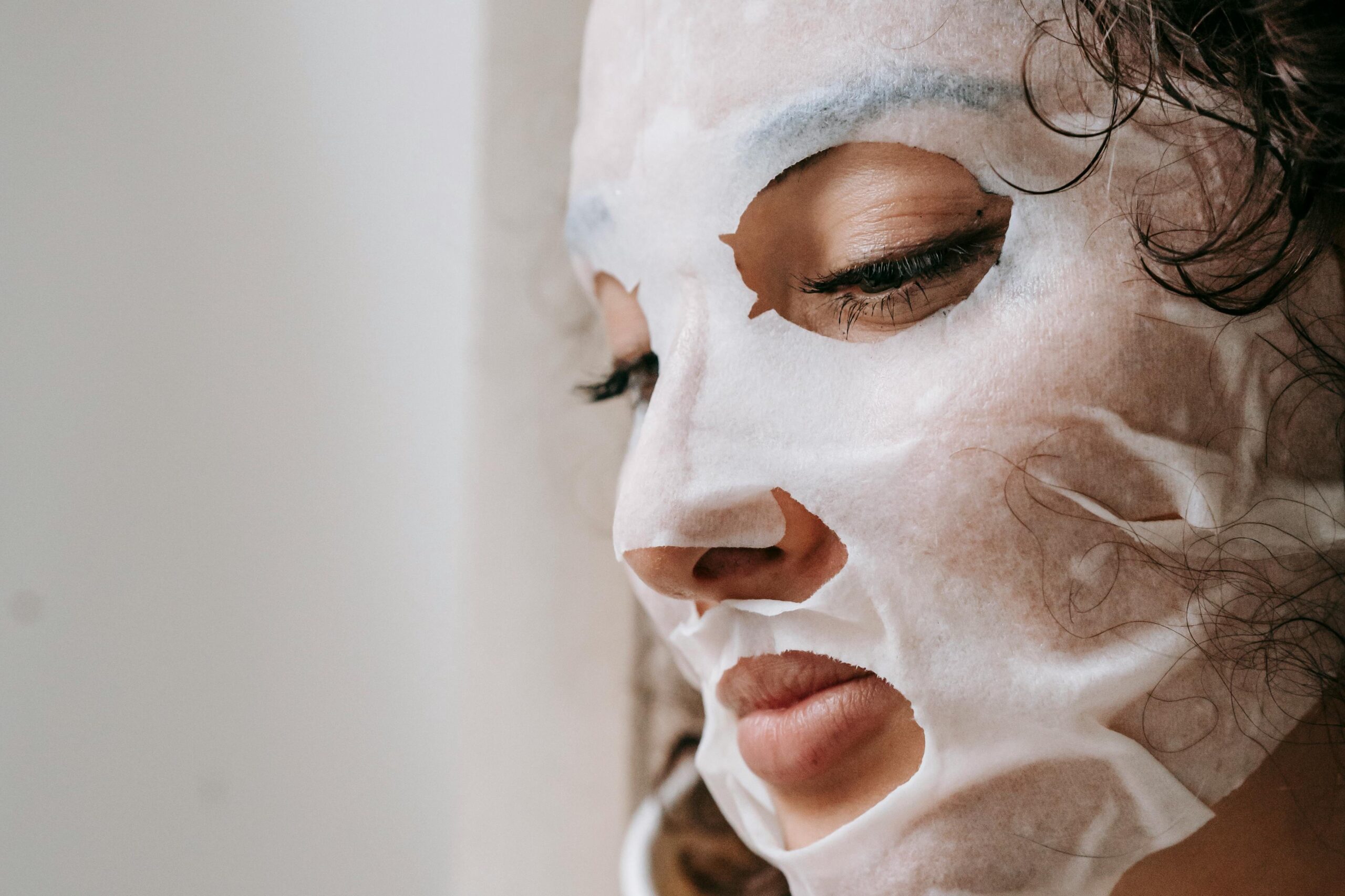
- Masks: Clay masks for oilier skin, hydrating sheet or cream masks for dry skin. Use as needed—usually once a week.
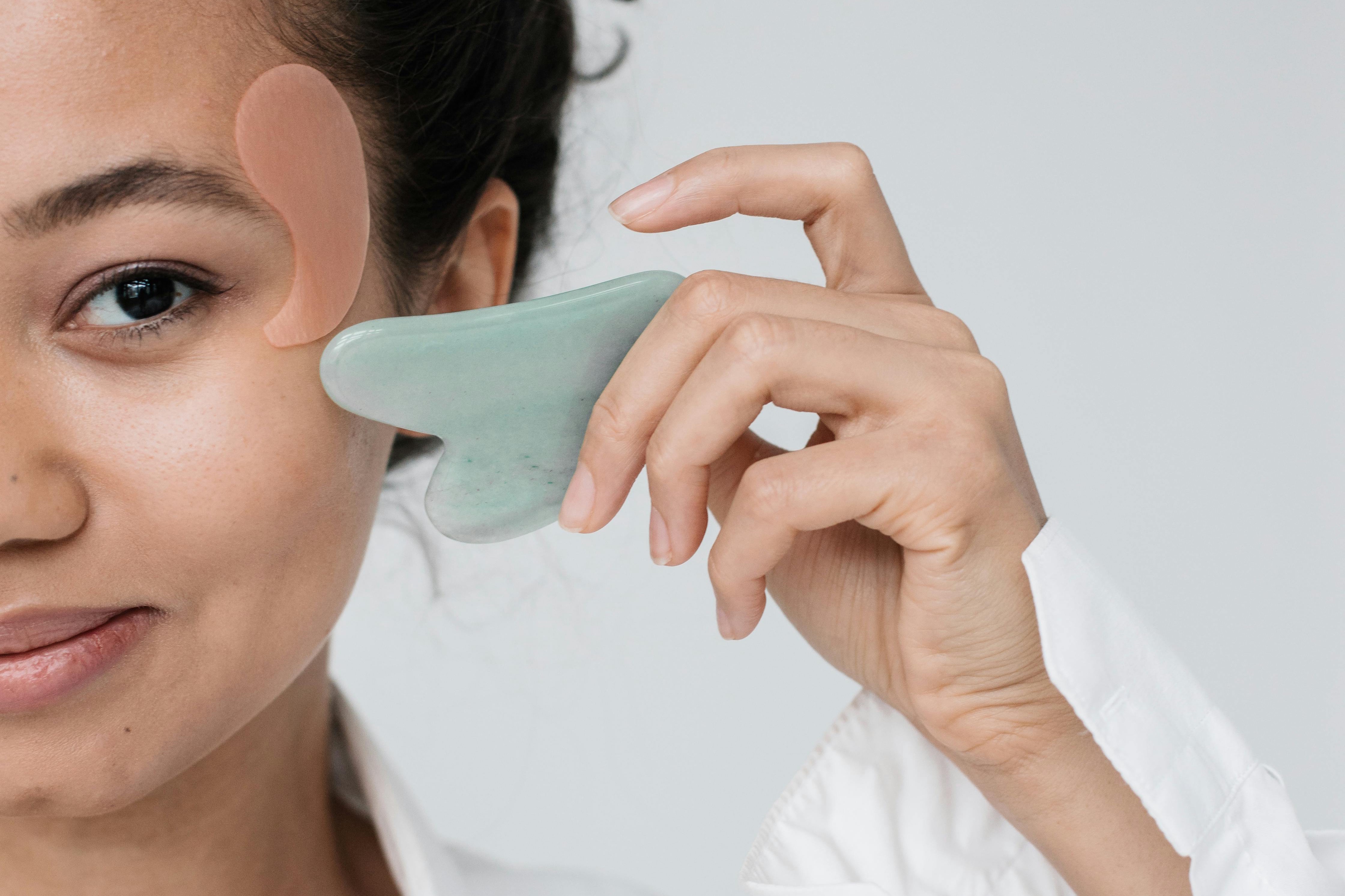
- Face Massage/Tools: Gua sha or facial massage can increase circulation and help product absorption. Keep tools clean and use gentle pressure.
Adjusting for Your Skin Type
- Dry Skin: Prioritize gentle cleansers, occlusive moisturizers (like creams with ceramides, fatty acids), and avoid over-exfoliation.
- Oily/Acne-Prone Skin: Use lightweight, non-comedogenic moisturizers and consider salicylic acid (BHA) to keep pores clear. Don’t skip sunscreen—look for mattifying formulas.
- Combination Skin: Balance is key—target oilier zones with lighter products and hydrate drier areas with richer creams.
- Sensitive Skin: Patch test new products, avoid fragrances and high concentrations of actives, and focus on barrier-repairing ingredients like niacinamide and ceramides.
Ingredient Pairing & Safety
Some ingredients can irritate when layered: avoid using strong retinoids at the same time as high-strength AHAs/BHAs. Instead, alternate nights. Vitamin C pairs well with sunscreen in the morning for antioxidant protection. Always patch test a new product and introduce one new product at a time so you can identify reactions.
Lifestyle Tips for Glowing Skin
- Stay hydrated—drink water throughout the day.
- Aim for a balanced diet rich in fruits, vegetables, and omega-3s to support skin health.
- Sleep and stress management: skin repairs overnight; chronic stress can worsen inflammation and breakouts.
- Avoid smoking and limit alcohol—both can age skin prematurely.
Consistency Over Perfection
Consistency is the single most important factor. Give new routines at least 4–8 weeks to see measurable change, and remember that your skin will respond to seasonal shifts and life changes. Keep a simple baseline routine and layer in treatments as needed.
Final Checklist
- Cleanser suited to skin type
- Antioxidant in the morning (e.g., vitamin C)
- Targeted treatments at night (retinoid or acids, introduced gradually)
- Hydrator (hyaluronic acid or glycerin)
- Barrier support (ceramides, niacinamide)
- Sunscreen every morning
With these steps and adjustments based on your skin’s needs, you can build a routine that supports a healthy, radiant complexion. If you have persistent concerns like severe acne, rosacea, or sudden changes in your skin, consult a dermatologist for personalized advice.
Great breakdown! I appreciate the tips for sensitive skin and the reminder to patch test. The sunscreen emphasis is spot on.
I started alternating retinoids and AHAs after reading this and my skin reacts much less. Thank you for the clear guidance.
Would love a follow-up post recommending specific product ingredients by skin concern (pigmentation, dehydration, acne). Really helpful overall!
Simple and realistic routine. The weekly mask suggestions were useful—I’ve switched to hydrating masks for winter and it helped a lot.
Nice article. Can you do a post about travel skincare and how to keep a routine when flying or in different climates?