Choosing the Right Facial Treatment: A Practical Guide
Introduction
With so many facial treatments available today, choosing the right one for your skin can feel overwhelming. Whether you’re dealing with acne, dryness, sensitivity, fine lines, or uneven tone, there’s a facial designed to address those concerns. This guide will walk you through the most common professional and at-home facial treatments, who they’re best for, contraindications, expected results, and tips for selecting a qualified provider.
Know Your Skin Type and Concerns
Before selecting any treatment, identify your skin type and primary concerns. Common skin types and concerns include:
- Oily or acne-prone: Enlarged pores, frequent breakouts, excess oil.
- Dry: Flaky, tight skin that needs hydration and barrier repair.
- Combination: Oiliness in the T-zone, dryness elsewhere.
- Sensitive or reactive: Easily irritated, prone to redness or rosacea.
- Mature or aging: Fine lines, loss of elasticity, uneven texture.
- Hyperpigmentation: Dark spots, melasma, sun damage.
Common Facial Treatments and When to Choose Them
- Classic/European Facial: Gentle cleansing, exfoliation, extractions, mask, and massage. Best for: general maintenance, sensitive or normal skin. Pros: relaxing, low risk. Cons: limited impact on severe acne or deep wrinkles.
- Chemical Peels (AHAs, BHAs, TCA): Use alpha or beta hydroxy acids to exfoliate and stimulate cell turnover. Best for: acne, oily skin, mild pigmentation, texture. Pros: noticeable texture and tone improvement. Cons: downtime varies by strength; not ideal for very sensitive or darker skin tones without professional assessment.
- Microdermabrasion: Mechanical exfoliation to polish the skin. Best for: mild texture issues, dull skin. Pros: minimal downtime. Cons: limited effect on deep scarring and pigmentation.
- Microneedling: Controlled micro-injuries stimulate collagen. Best for: fine lines, acne scars, texture. Pros: effective collagen induction. Cons: requires healing time; multiple sessions needed.
- LED Light Therapy: Uses different wavelengths (blue for acne, red for collagen). Best for: acne management, wound healing, anti-aging support. Pros: gentle, few side effects. Cons: often supportive rather than transformative alone.
- Hydrating/Oxygen Facials: Focus on moisture infusion and calming ingredients. Best for: dry, dull, stressed skin. Pros: immediate glow, soothing. Cons: temporary effects; maintenance required.
- Dermaplaning: Manual exfoliation using a blade to remove vellus hair and dead skin. Best for: smoothing texture and enhancing product absorption. Pros: instant smoothness. Cons: not recommended for active cystic acne.
- Enzyme Peels: Gentle, protein-based exfoliants. Best for: sensitive skin that cannot tolerate acids. Pros: gentler than chemical peels. Cons: may be less effective on very thick skin.
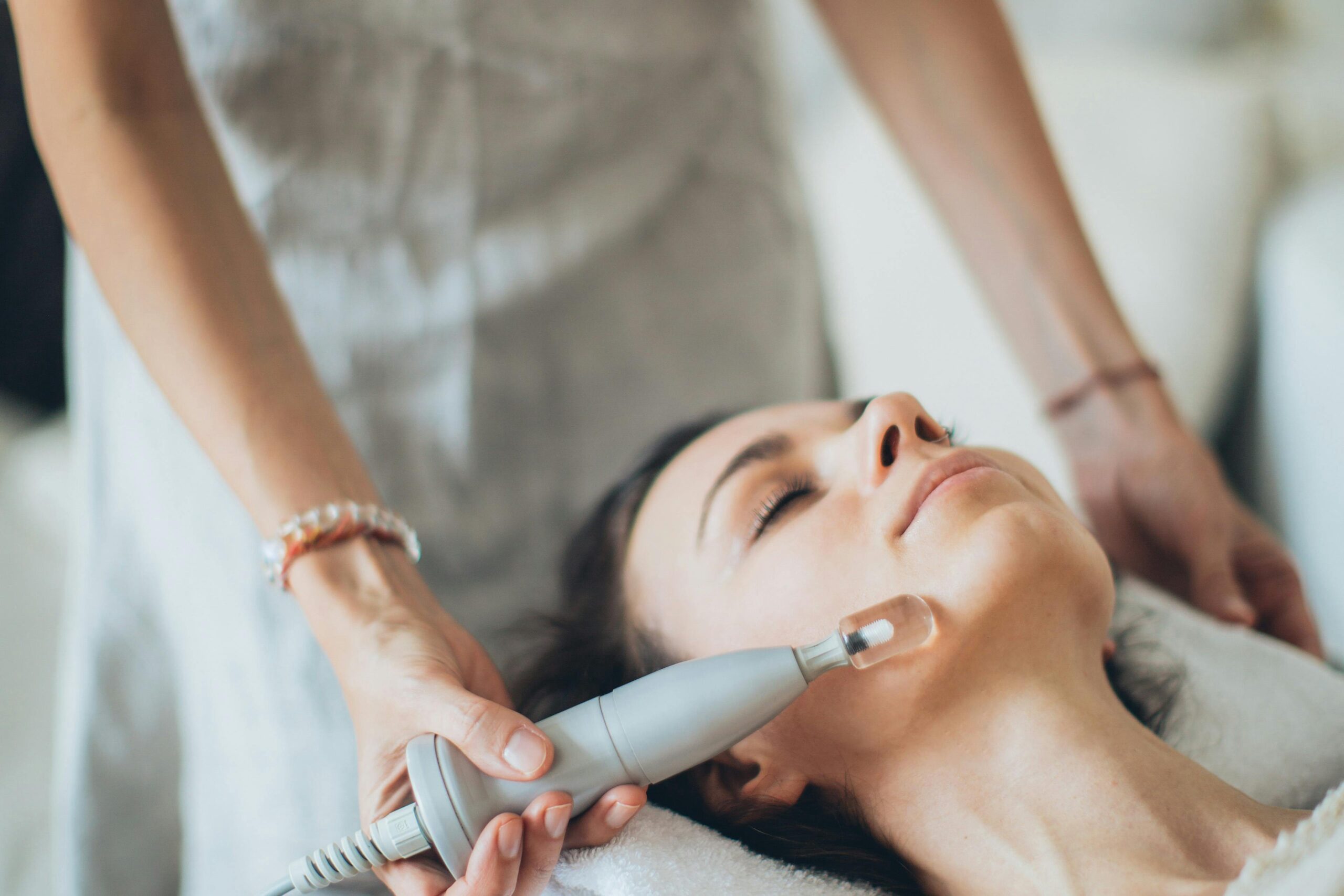
- High-Frequency and Ultrasonic Treatments: Often used for acne, product penetration, and circulation. Best for: acne-prone, congested skin. Pros: non-invasive and calming. Cons: results are typically incremental.
- Professional-Grade Laser and Intense Pulsed Light (IPL): Target pigmentation, vascular issues, and stimulate collagen. Best for: sun damage, broken capillaries, stubborn pigmentation. Pros: significant results for specific concerns. Cons: higher cost, downtime, and need for proper skin type evaluation.
Matching Treatments to Specific Concerns
Use this quick guide when matching treatments to your primary concern:
- Acne or congested skin: Salicylic acid peels, blue LED, microdermabrasion, high-frequency, professional extractions.
- Dry/dehydrated: Hydrating facials, O2 facials, hyaluronic acid infusions, gentle enzyme peels.
- Sensitivity/rosacea: Gentle enzyme peels, LED red light, calming masks, avoid aggressive peels or microdermabrasion until controlled.
- Hyperpigmentation: AHA peels, targeted chemical peels, IPL/laser (with caution and professional guidance), topical brightening agents.
- Aging/fine lines: Microneedling, retinoid-based peels, red LED, laser resurfacing for deeper concerns.
- Texture and scarring: Microneedling, TCA peels, fractional lasers, dermal fillers or subcision for deeper scars (consult dermatologist).
Professional vs. At-Home Treatments
At-home products (masks, serums, mild acids) are great for maintenance. Professional treatments typically use higher concentrations and devices that provide stronger results. If you have complex issues (severe acne, dark hyperpigmentation, significant scarring), start with a consultation from a dermatologist or licensed skin professional.
Safety, Timing, and Aftercare
- Always disclose medical history, medications (like isotretinoin), and recent procedures to your provider.
- Patch test new exfoliants or active ingredients, especially if you have sensitive skin or darker skin tones at risk of post-inflammatory hyperpigmentation.
- Sun protection is essential after most exfoliating treatments — use broad-spectrum SPF daily and limit sun exposure during recovery.
- Follow aftercare instructions: gentle cleansing, hydration, and avoiding harsh actives for the recommended period.
- Spacing: many active treatments require several weeks between sessions — ask your provider about an appropriate schedule.
How to Choose a Qualified Provider
Look for licensed estheticians, dermatologists, or clinicians with clear credentials and client reviews. Ask these questions before booking:
- What are your qualifications and certifications?
- How many sessions are typically needed for my concern and what results can I expect?
- What are the risks, downtime, and costs?
- Can you show before-and-after photos of similar skin types and concerns?
Putting It All Together
Select a treatment plan based on your skin type, concern severity, recovery tolerance, and budget. Start conservatively if you’re unsure — gentler treatments and professional consultations help avoid complications. Combine in-office procedures with a consistent at-home routine (cleansers, sunscreen, targeted actives) for the best long-term results.
Final Tips
- Be realistic: significant changes often require multiple sessions and consistent home care.
- Monitor skin response and communicate with your provider if irritation occurs.
- Maintenance is key: many treatments look best when followed by a tailored home regimen and periodic professional sessions.
If you’re unsure where to begin, schedule a consultation with a board-certified dermatologist or a licensed esthetician who can assess your skin and recommend a personalized plan.
Thank you — this breakdown helped me finally decide between a chemical peel and microneedling. My esthetician recommended starting with a mild AHA peel and a hydration facial after.
Great read. I wish there were more detail on how to approach treatments for darker skin tones, since hyperpigmentation risks can be different.
Helpful tips about aftercare — sunscreen makes such a difference after peels. I learned that the hard way years ago.
Can anyone recommend a reputable microneedling clinic in NYC? I’m considering it for acne scarring and want a licensed practitioner.
I’ve had good results combining regular hydrating facials with vitamin C serums at home. This guide confirms I’m on the right track.